Most people think of picking up after a dog as a matter of courtesy, something you do so the neighbors do not complain and the yard stays presentable. That is true, but it undersells what is really at stake. Uncollected dog waste is a genuine public-health concern, one that quietly carries parasites and bacteria capable of sickening pets, children, and adults alike. The stakes are higher than a bad smell.
Understanding what actually lives in that waste, and how long it lingers in soil and water, changes the way you think about the chore. It stops being an optional nicety and becomes a small but meaningful act of protection for your family and your community. Here is what every responsible dog owner should know about the hidden health risks and how to shut them down.
What’s Really Inside Uncollected Waste
A single gram of dog waste can contain millions of fecal coliform bacteria, along with pathogens like E. coli, Salmonella, and Giardia. It is also a common vehicle for intestinal parasites, including roundworms, hookworms, whipworms, and tapeworms. Many of these organisms are shed in enormous numbers precisely when a dog looks perfectly healthy, which is why an animal with no symptoms can still be spreading them across your yard with every deposit.
This is not fear-mongering; it is the reason health departments classify pet waste as an environmental pollutant rather than a harmless natural byproduct. Treating it accordingly is simply good sense.
Parasites That Don’t Go Away on Their Own
The most persistent threat comes from roundworm and hookworm eggs. Roundworm eggs in particular are remarkably tough, capable of surviving in soil for years, resisting cold winters and dry spells alike. Once they contaminate the ground, they wait. A child playing in the dirt, a gardener kneeling in a flower bed, or another dog sniffing the grass can pick them up long after the original waste has visually disappeared.
Hookworm larvae can even penetrate bare skin directly, causing an itchy condition known as cutaneous larva migrans. These are not exotic tropical risks; they are documented in backyards and public parks across the country.
The Risk to Children and Other Pets
Children are the most vulnerable group, largely because they play close to the ground and frequently put their hands near their mouths. Accidental ingestion of contaminated soil can lead to toxocariasis, an infection that in rare cases affects the eyes, liver, or nervous system. For pets, the cycle is even more direct: dogs and cats investigate the world with their noses, and a yard littered with old waste becomes a reinfection loop that no deworming schedule can fully outrun.
Breaking that loop is straightforward. Remove waste promptly and consistently, and the parasites lose the reservoir they need to keep spreading.
How Waste Contaminates Water and Soil
When waste is left on lawns, sidewalks, or trails, rain does the rest. Runoff carries bacteria and nutrients into storm drains, streams, and eventually the lakes and rivers many communities rely on. This is why pet waste is a recognized contributor to water-quality problems and algae blooms in urban watersheds. It is one of the few pollution sources an individual can eliminate entirely, simply by cleaning up in the moment.
Every deposit you collect is a small quantity of bacteria that never reaches the water supply. Multiply that across a neighborhood and the impact is real.
Building a Sanitary Cleanup Routine
Prevention comes down to consistency and the right tools. Doing daily yard sweeps and always carrying supplies on walks keeps contamination from ever taking hold. A dedicated long-handled tool means you never have to make hand-to-waste contact, and searching for a Pooper scooper near me is often the fastest way to find equipment that fits your yard and your budget. Standing upright rather than crouching also makes it far more likely you will actually keep the routine going.
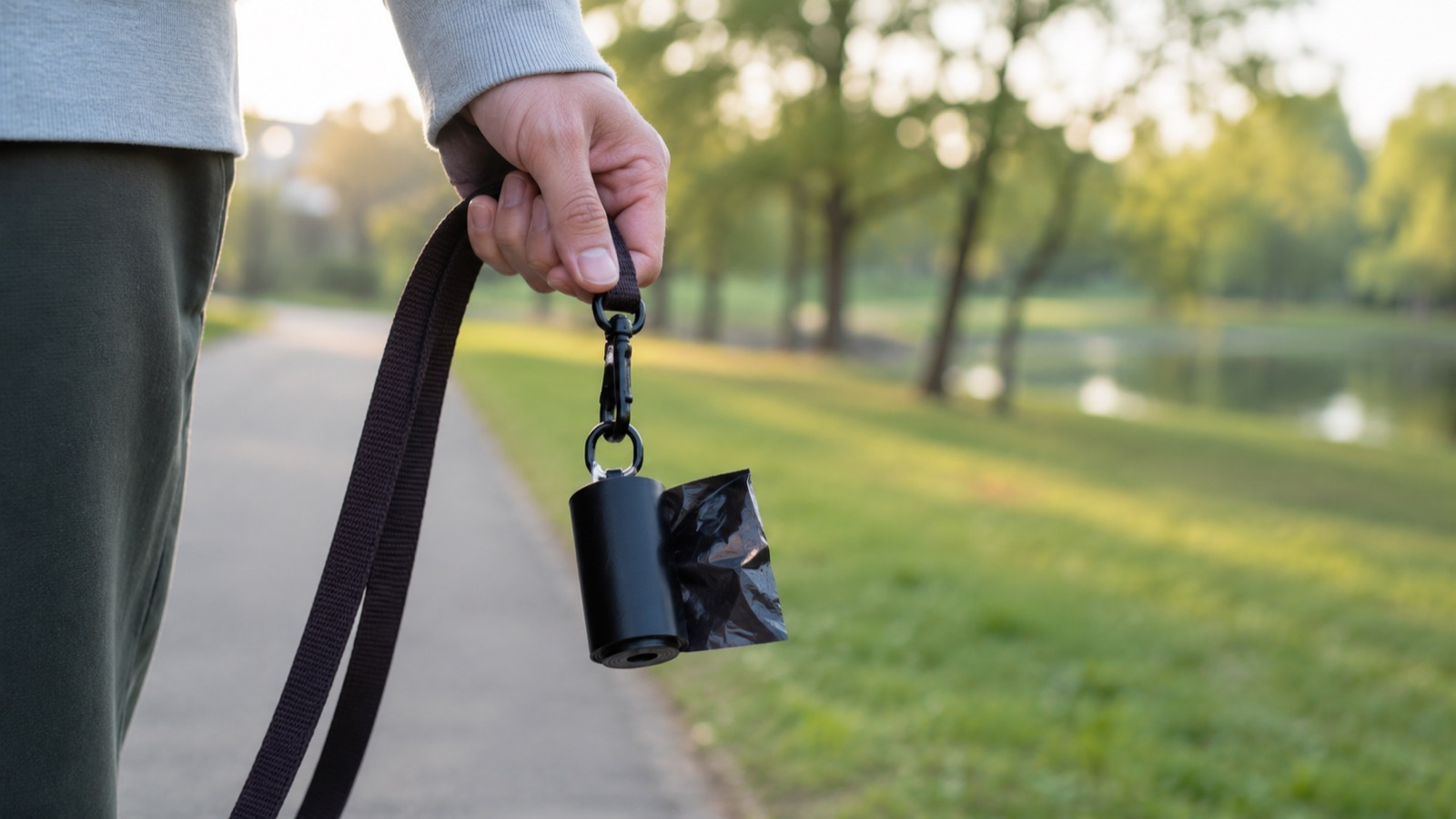
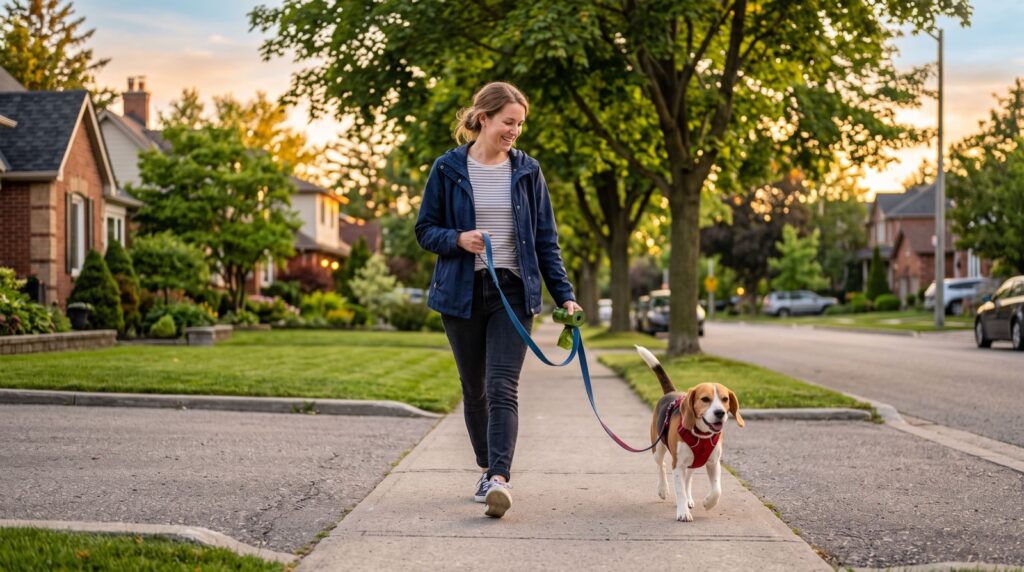
For walks, never leave home without supplies. Keeping a roll of a durable Dog poop bag clipped to the leash removes every excuse to skip a pickup, and a sealed bag keeps pathogens contained until you reach a proper bin. Sanitary handling from grab to disposal is what actually protects everyone downstream.
Hygiene Habits That Protect Your Household
Cleanup does not end when the waste is bagged. Wash your hands thoroughly after handling waste or gardening, teach children to do the same after outdoor play, and keep sandboxes covered when not in use so neighborhood animals cannot use them as a litter box. Deworm your dog on the schedule your veterinarian recommends, and have stool samples checked periodically even if your pet seems fine.
These small habits stack up into a serious barrier against infection. None of them is difficult, and together they close off nearly every route a parasite might use to reach your family.
When to Bring in Professional Help
If your schedule, health, or mobility makes frequent cleanup difficult, outsourcing is a legitimate and increasingly popular option. Recurring waste-removal services and reliable local experts can keep a property consistently sanitary, which matters most in homes with young children or immune-compromised residents. Regular professional visits ensure that no deposit sits long enough for eggs to mature and contaminate the soil.
Whether you handle it yourself or hire it out, the goal is identical: never let waste linger. That single principle does more for household health than any amount of after-the-fact scrubbing.
Key Takeaways
- Dog waste carries bacteria and parasites that can infect pets, children, and adults.
- Roundworm eggs can survive in soil for years, long after waste is gone.
- Children are especially at risk because they play close to contaminated ground.
- Rain washes uncollected waste into storm drains and local waterways.
- Prompt, consistent pickup with proper tools breaks the contamination cycle.
- Handwashing and routine deworming add crucial layers of protection.
Cleanup Is a Health Choice, Not Just a Chore
Once you see dog waste for what it is, a reservoir of durable pathogens, picking it up stops feeling like a nuisance and starts feeling like the small daily safeguard it truly is. The tools are inexpensive, the habits are easy, and the payoff is a yard where kids and pets can play without invisible risk underfoot. Clean up promptly, handle waste hygienically, and wash up afterward. Your family, your neighbors, and the water flowing through your community are all better for it.